By: Kristina Gropper, Senior Consultant
Kristina Gropper
One morning in early January, I saw a friend from the neighborhood at school drop-off. She casually invited me to an event at her chocolate shop that evening. With full knowledge that her caramels are next level, I agreed without a second thought. Her gatherings always bring together kindred spirits who enjoy chocolate, wine, and non-alcoholic spritzers, animated conversation, and a cathartic kvetch. It has become my chocolate therapy, my sweet escape, my excuse to stay up past eight. As I entered the shop, I realized this get-together was a bit different from her other events. There were professional (yet approachable) women in blazers. The attendees I spoke with had a sincere interest in improving the lives of our fellow New Yorkers and had diverse nonprofit experiences. On this evening, we had the opportunity to learn about a New York City-based women’s giving circle.* The experience sent me down a rabbit hole to learn more about collective giving.
What is a Giving Circle?
A giving circle is defined as a group of individuals who pool their money, time, expertise, or some combination to form a voluntary philanthropic association. Dating back to the mid-1600s, giving circles have a rich history in the U.S. The earliest and longest running example is the Scots’ Charitable Society, founded in 1657 in Massachusetts. They are “Scots helping Scots” and provide mutual aid and community-based philanthropy. According to Philanthropy Together, the U.S. is home to roughly 4,000 giving circles with 370,000 members total who collectively gave away $3.1 billion over seven years ending in 2023. Released in 2024, the report forecasts that giving circles are likely to double again in five years. What sets giving circles apart from the traditional individual giving model? I turned to Hali Lee to answer this question.
The Big We: The Value of Giving Collectively
Published in March 2025, The Big We discusses the multi-faceted benefits of giving circles: they foster a sense of belonging and commonality; help us listen more; provide connection and purpose; and promote collaborative, grassroots decision making. Author Hali Lee shines light on the power of collective giving over “Big Phil:” the individual, billionaire mega-donor phenotype with large-scale, top-down initiatives. She argues that collective giving promotes civic engagement, reinforces a sense of affecting change, and shared values.
In addition to writing, Hali advises using a “WHY-centric model,” which focuses on equity-based values and purpose instead of a donor-centric model. As the founder of the Asian Women Giving Circle and co-founder of the Donors of Color Network and Philanthropy Together, she has experience participating in, reporting on, and democratizing philanthropy. In an era of increased scrutiny of big philanthropy, Hali expresses an empowering belief: we can build a collective, inclusive, and trusting future by finding allies and partners and pooling our resources to drive meaningful change.
Tips for Starting and Joining a Giving Circle
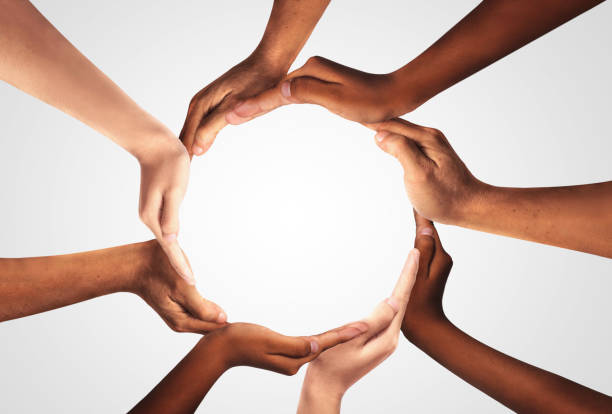 Interested in becoming part of a giving circle? The Philanthropy Together website provides free resources to get you started, including an international giving circle directory, a guide to starting your own giving circle , and creating a list of shared values.
If you love podcasts, former HBGers Elizabeth Roma and Angie Stapleton reported on giving collaboratives in 2017. It’s an informative listen and features our sui generis founder Helen Brown.
*This article focuses on giving circles: individuals who pool money, time, expertise, etc. An additional, broader term that is sometimes used is philanthropic collaborative fund, a new giving vehicle where like-minded funders (most often institutional funders or high net wealth individual donors) pool their funding together and enable scaled systems change on intractable problems facing our world. Since this article focuses on the grassroots, collaborative power of individuals, I used the term giving circle throughout.