By: Catherine Cefalu, Consultant
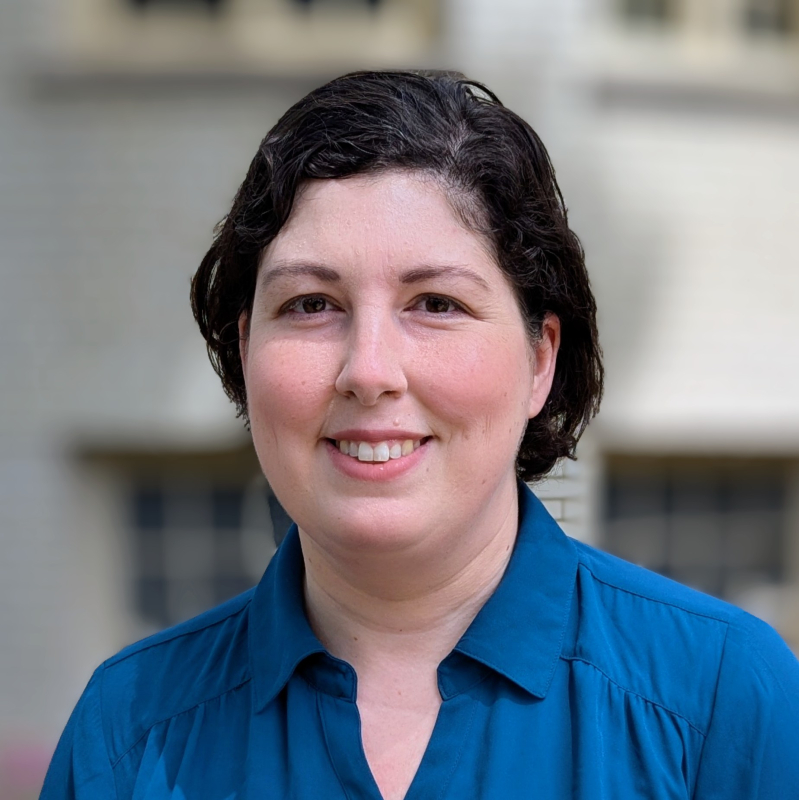
Catherine Cefalu
What is the biggest issue currently facing the field of prospect research? Is it the rise of artificial intelligence? The economic pressure on nonprofits, raising demands on its staff while simultaneously cutting resources? Or is it the perennial problem of “too much to do, too little time”?
No. The problem is due diligence. But perhaps not in the way you would think.
When it goes well, due diligence is difficult, but also relatively easy. We put in the work, we put in the time, and we process and interpret the information. It may take longer than, say, estimating the value of a prospect’s business, but we know how to find information. We are trained for this. We are prepared for this.
What we are not prepared for is the result of that work.
The first time one of my due diligence searches turned up something bad, it was really bad. The individual had been arrested for assault several years before and the details were gruesome. I had to read them. I wasn’t prepared.
I finished my report, translated the disturbing content into something appropriate for a gift officer to read, contacted the person who made the request, and gave them a heads up about the content. Then I moved on to the next project, but I could not forget what I had read. I knew how to process information in a report. I didn’t know how to process it inside my own head.
The release of the Epstein Files has upended our field in ways I don’t think we realize yet. The information contained within them is extensive: a researcher could spend hours researching a single person, reading email after email, document after document, of some of the worst abuses a person can commit.
None of us signed up for this level of repeated exposure to traumatic content.
The field of prospect research is hurtling towards a major mental health crisis. And we are not prepared.
Secondary traumatic stress occurs when someone is exposed to the firsthand traumatic experiences of another individual. There are numerous related terms, such as compassion fatigue and vicarious trauma, and it is a common occupational hazard in “helping” professions such as therapists, medical professionals, and child welfare workers. The symptoms of secondary traumatic stress are not dissimilar from post-traumatic stress disorder: mood changes, anxiety, difficulty sleeping, and hypervigilance.
We may not be as close to traumatic experiences as some of these other professions, but we are still at risk.
Like most nonprofit professionals, we are asked to do too much with too little. And now, with the growing demand for due diligence, we are also being asked to support the mission of our organizations, potentially at the cost of our own well-being.
We live in an era in which information is everywhere. In a way, it has never been easier to be a prospect researcher—but it has also never been more difficult because at times that information is inescapable. Endless news, infinite social media, sending us into spiral after spiral. It is not sustainable.
We have the opportunity and responsibility to take meaningful action to support ourselves and each other before this becomes a widespread challenge. I am not an expert, but some immediate suggestions might be:
- Know when to start: While we can’t necessarily pick and choose our deadlines, try to schedule this work for a time when things are less stressful, and make sure to block off time afterwards to process your feelings and reactions.
- Know when to stop: Our job is to inform our organizations about the potential level of risk a prospect would cause. Once you have enough information to make that assessment, resist the “research rabbit hole” and come up for air.
- Know when to ask for help: Be vigilant for symptoms that may indicate a more serious issue and know when to reach out to other people for help, either personally or professionally. If possible, encourage cross-training so that the work of due diligence research doesn’t fall on a single person to handle alone.
I also hope that Apra, who is in the middle of its periodic strategic planning process, takes up this issue to increase awareness, offer direction, and provide resources to its membership and community.
We cannot wait until we have a field full of traumatized and burned-out researchers. We need to act now.
Works Referenced:
https://www.counselingsolutionsak.com/a-guide-to-secondary-ptsd
https://publications.aap.org/aapnews/news/14395/Tips-for-recognizing-managing-secondary-traumatic
https://en.wikipedia.org/wiki/Secondary_trauma